


Why Seasonal, British-Grown Flowers Make Weddings Special
There is something quietly magical about wedding flowers that were growing in a field just days before they reach the altar. Seasonal, British-grown blooms carry a freshness, scent and character that imported flowers often lack. They also tread more lightly on the planet, which matters to many couples planning a wedding in the UK today. If you are looking for wedding flower inspiration that feels personal and rooted in the landscape, a flower farm should be top of your list.
Couples planning a countryside wedding often search for a casino Ginja venue alternative, but a flower farm can provide stunning seasonal blooms.
Choosing a flower farm as your source, or even as your venue, means your arrangements reflect the exact time of year you marry. No two weddings look the same, because no two growing seasons are identical.
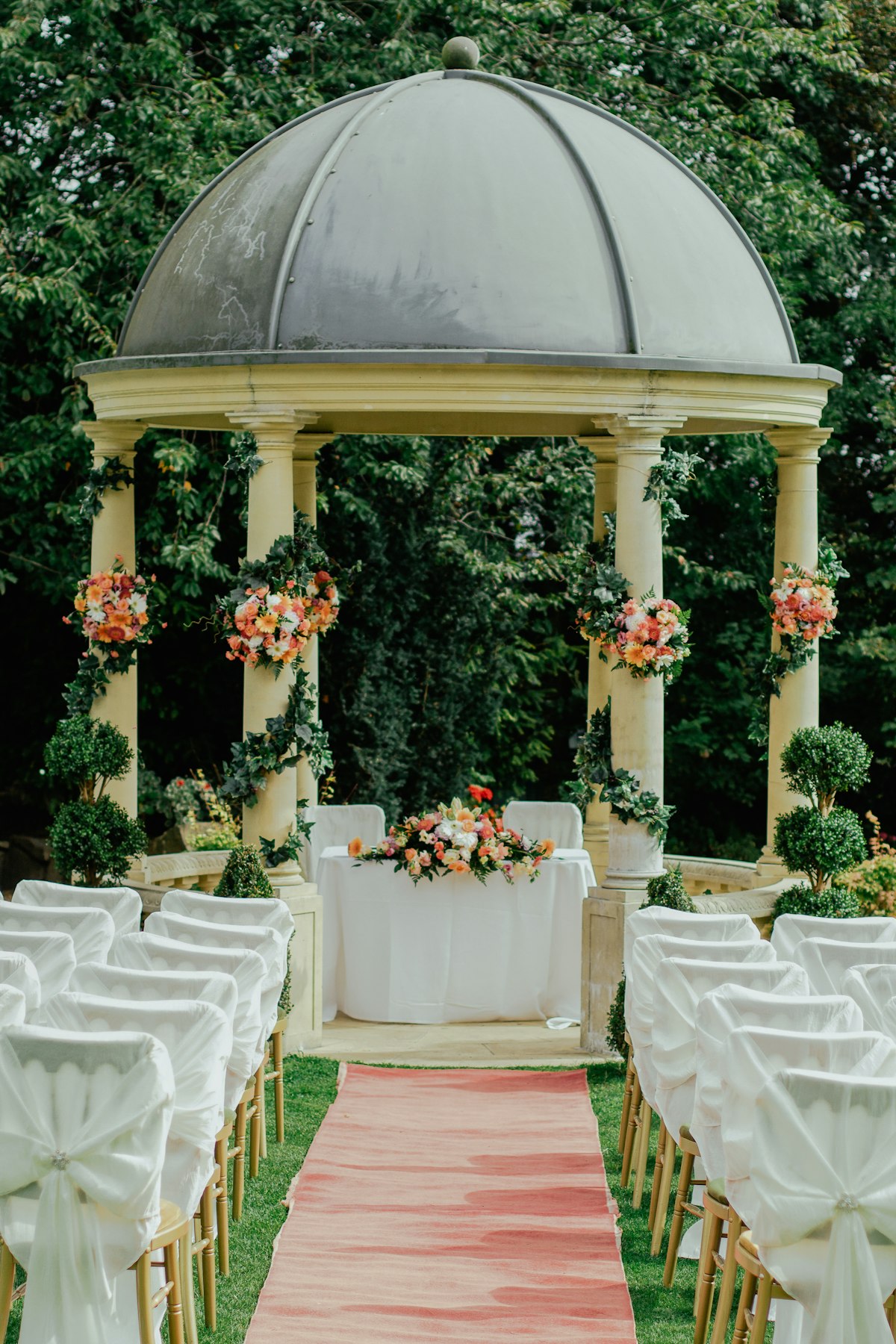
What Is in Season Throughout the Year
Understanding what blooms when helps you plan a colour palette that works with nature rather than against it. Here is a simple guide to British wedding flowers by season.
- Spring (March to May): tulips, narcissi, ranunculus, anemones, wallflowers, sweet williams and early peonies. Think soft yellows, creams, blush pinks and fresh greens.
- Summer (June to August): peonies, roses, sweet peas, cosmos, nigella, cornflowers, scabiosa and dahlias. This is the most abundant time, with bold colours and heady scent.
- Autumn (September to November): dahlias, chrysanthemums, hydrangeas, berries, seed heads and foliage. Rich rusts, deep reds, golden yellows and burgundy work beautifully.
- Winter (December to February): hellebores, amaryllis, paperwhites, evergreens, ivy, pinecones and dried flowers. Textures and evergreens carry the day when fresh blooms are scarce.
Ideas for Bouquets, Buttonholes and Table Flowers
For a relaxed, romantic bouquet, ask your grower for a hand-tied mix of scented garden roses, sweet peas and soft herbs such as rosemary or mint. The scent alone will bring back memories every time you catch it. Add a few trailing stems, like jasmine or love-in-a-mist, for movement.
Buttonholes look best when they echo the bouquet without copying it. A single ranunculus, a sprig of lavender or a small dahlia bud with a folded leaf is enough. Keep them small so they sit comfortably on a lapel.
For tables, jam jars and simple glass vases filled with loose, garden-style arrangements feel welcoming and cost less than tightly structured designs. Mix heights: low bowls for conversation, taller vessels for impact. Use odd numbers of stems and let flowers sit naturally rather than forcing them into perfect domes.
Colour Palettes That Work with a Countryside Setting
If your venue is a barn, a marquee or a field, let the surroundings guide you. Soft whites, creams and greens blend seamlessly with stone, timber and grass. For a bolder look, choose a single colour and vary the shades, such as all pinks from palest blush to deep magenta.
Remember that natural light changes throughout the day. Cool whites and blues can look grey in the evening, while warm yellows, peaches and corals hold their glow under candlelight and festoon bulbs.
Practical Tips for Booking a Flower Farm
Book early, especially for peak summer dates. Good growers are often reserved a year or more in advance. Ask about delivery, set-up and whether they offer a jar-hire or bucket service for DIY couples.
Be flexible about specific varieties. Nature does not read a mood board, but a skilled grower will suggest alternatives that match your style. Share photos, fabric swatches and any scent memories you love, then trust their expertise.
Finally, consider visiting the farm in the season before your wedding. Seeing what grows locally will make your choices easier and far more meaningful.